Best Beach Towels: A Buyer’s Guide
There’s nothing quite like the feeling of stepping out of the ocean and wrapping yourself in a soft, fluffy beach towel—unless, of course, it’s too small, leaves sand everywhere, or takes three days to dry. Choosing the right beach towels isn’t just about comfort—it’s about making your day at the shore easier, cleaner, and more enjoyable.
What Makes a Great Beach Towel?
A great beach towel does more than just dry you off—it’s your portable lounge chair, picnic blanket, and sand-shedding superhero all in one. Look for four key features: size, material, absorbency, and sand resistance. Most experts recommend a minimum of 30×60 inches for adults, but 34×68 inches gives you room to stretch out without risking a chilly ankle. Absorbency matters, but so does how quickly the towel dries afterward—nobody wants to lug around a damp, heavy sack at the end of the day. And sand resistance? That’s the holy grail. A towel that shakes off sand like a dog after a swim saves you from gritty towels, sandy sandwiches, and irritated feet.
Cotton vs Microfiber vs Turkish: The Material Showdown
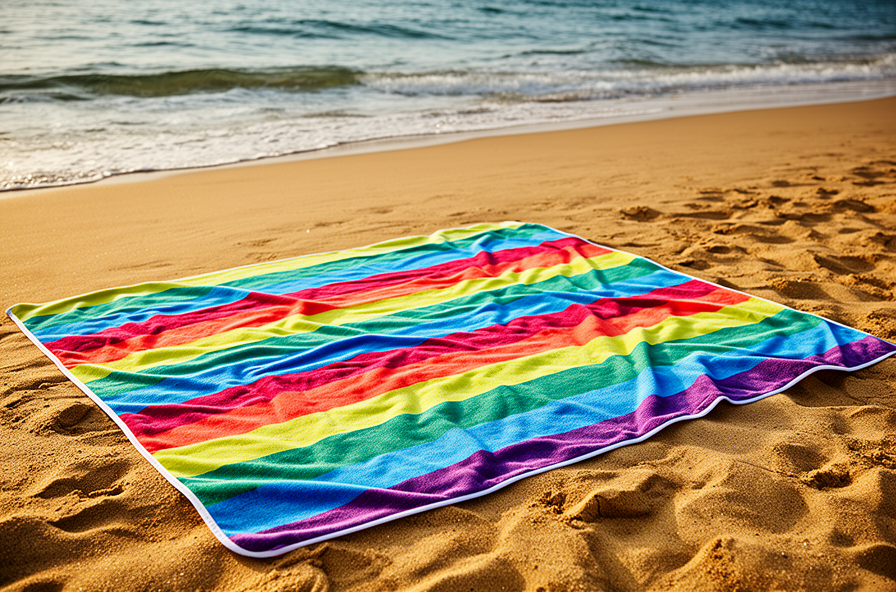
Not all beach towels are created equal. Here’s how the top three materials stack up:
Cotton is the classic choice—soft, plush, and familiar. Egyptian and Turkish cotton are the premium options, offering long fibers that feel luxurious and absorb well. But they’re heavy when wet and take hours to dry. Great for lounging, less ideal for quick beach-to-car transitions.
Microfiber is the speed demon of beach towels. Made from ultra-fine synthetic fibers, it absorbs water fast, dries in minutes, and packs down tiny. It’s also naturally sand-resistant—grains slide right off. Downsides? It doesn’t feel as soft as cotton and can sometimes feel a bit synthetic. Perfect for travelers, gym-goers, or anyone who hates laundry waits.
Turkish cotton strikes a balance. Lighter than regular cotton, still plush, and known for its high absorbency and quick-dry properties. Often woven with a looped terry finish, it’s breathable and gets softer with every wash. If you want that spa-like feel without the weight, Turkish cotton is your sweet spot.
How to Choose the Right Beach Towel for You
Your ideal towel depends on your beach habits.
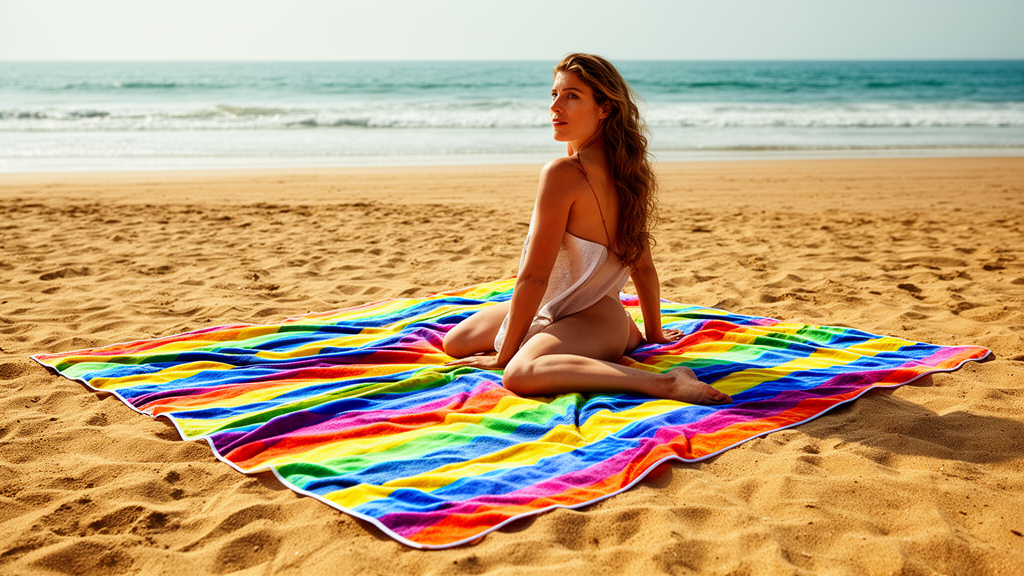
If you’re a full-day sunbather who values comfort over convenience, go for a large Turkish cotton towel—think 36×72 inches. Bonus points if it has a fun pattern or fringe detail (yes, that’s a real thing, and it’s charming).
If you’re packing light for a weekend trip, hiking to a secluded cove, or traveling with kids, pick a compact microfiber towel. Many fold into their own pouch and weigh less than a water bottle. They’re also great for post-swim showers or yoga on the sand.
For families or groups, mix and match: one large cotton towel for lounging, a few microfiber towels for quick-dry needs. Don’t forget to pick colors that hide sand—darker tones like navy, olive, or charcoal are your friends.
And if you’re buying for someone else? Look for towels with reinforced stitching, corner loops for hanging, and a warranty. A well-made towel lasts seasons—not just one summer.
Why Sand Resistance Matters More Than You Think
Let’s be honest: sand is the uninvited guest at every beach party. It gets in your food, your hair, your swimsuit. A towel that sheds sand is a game-changer. Microfiber towels have a tight weave that doesn’t trap grains. Turkish cotton’s smooth loops also let sand slide off easily when shaken. Regular cotton? It’s like a sand magnet.
Pro tip: Always shake your towel vigorously before folding it up. Even the best towels benefit from a good shake. Some brands design their towels with a textured backing that lifts sand away—look for “sand-free” or “anti-sand” labels in product descriptions. Not marketing fluff. Real science.
How to Care for Your Beach Towels (So They Last)
Your beach towel deserves better than being tossed in the car with sunscreen, saltwater, and wet swimsuits. Wash it after every beach trip—salt, chlorine, and sand can break down fibers over time. Use a mild detergent, skip fabric softener (it clogs absorbency), and hang to dry or tumble dry on low. Avoid bleach.
Microfiber towels should be washed separately from lint-heavy items like sweatshirts—they’ll collect fuzz and lose effectiveness. Cotton towels can handle higher heat, but over-drying makes them stiff. Rotate your towels so one doesn’t bear the brunt of every trip. And if yours starts to smell funky even after washing? Soak it in vinegar and water for an hour before laundering. Nature’s reset button.
Final Tip: Test Before You Buy
If you can, feel the towel in person. Does it feel dense but not heavy? Does it bounce back when you scrunch it? Does the edge look neatly stitched? If you’re buying online, read reviews for real-world feedback: “Does it still absorb after 20 washes?” “Does sand actually come off?” “Is it big enough for two?”
The right beach towel doesn’t just dry you—it elevates your whole beach experience. Whether you’re chasing sunsets, chasing kids, or just chasing calm, the perfect towel makes all the difference. Choose wisely, shake often, and enjoy every sandy, salty, sun-kissed moment.
As an Amazon Associate we earn from qualifying purchases.