Best Beach Umbrellas & Sun Shelters
Nothing ruins a perfect beach day faster than harsh sun or a sudden gust of wind knocking over your shade. Choosing the right beach umbrella or shelter is your best defense against UV rays and unpredictable conditions, turning a stressful trip into a relaxed escape. This guide cuts through the noise to help you find the perfect shade solution for your next seaside adventure.
Understanding UPF Ratings and Real Shade Protection
When shopping for a beach umbrella, UPF (Ultraviolet Protection Factor) is the gold standard for measuring sun protection. Unlike SPF (which applies to sunscreens), UPF indicates how much UV radiation a fabric blocks. A UPF 50+ rating means the fabric blocks 98% of UV rays, a critical detail for all-day comfort. Not all fabrics perform equally—tightly woven synthetics like polyester or nylon typically outperform cotton, and darker colors often provide better protection than light ones. However, the umbrella’s structure matters just as much as the fabric: a flimsy frame that sags or gaps between panels creates weak spots where UV rays sneak through.
Don’t assume all “sun umbrellas” deliver equal coverage. Look for models with reinforced stitching, minimal gaps, and a domed shape that deflects light downward rather than trapping heat. Some brands found on Amazon feature vented canopies to improve airflow, reducing the greenhouse effect under the shade. Remember, even with a high UPF rating, reapplying sunscreen regularly is essential since reflected sand and water intensify UV exposure.
Anchoring Your Beach Umbrella: Sand Anchors and Wind Resistance
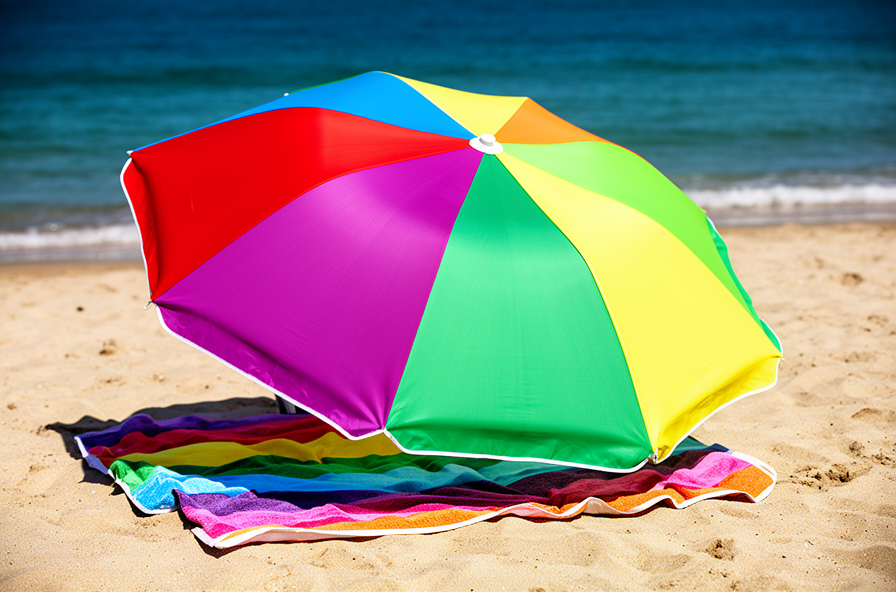
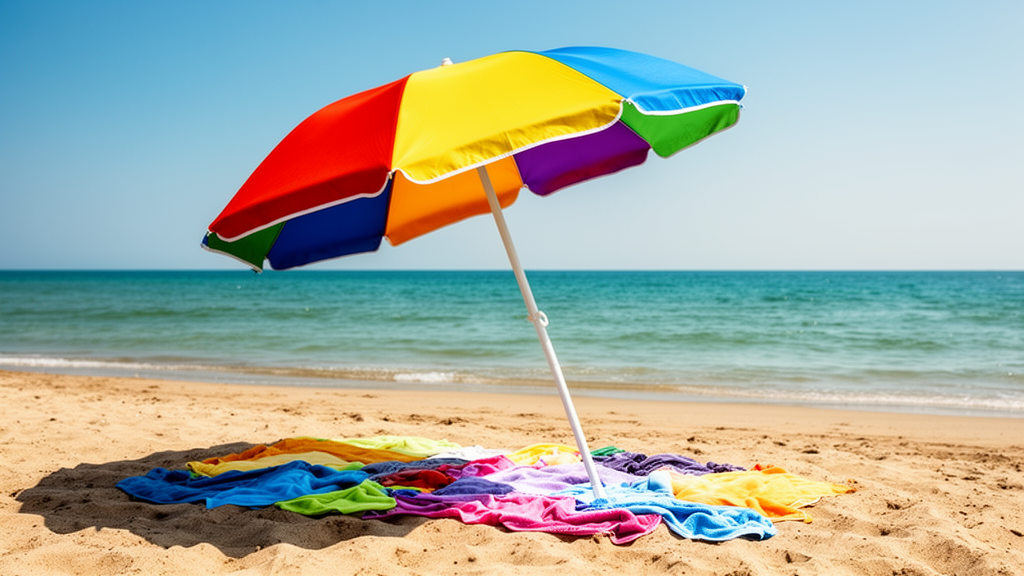
Wind is the arch-nemesis of beach shade. Standard umbrella poles often wobble or topple because sand provides less resistance than soil. This is where sand anchors become non-negotiable—they’re heavy-duty stakes or spiral augers designed to grip deep into loose sand. Many modern umbrellas include them, but if yours doesn’t, investing in a separate anchor (sold by various brands on Amazon) is wise. Drive the anchor vertically into the sand first, then insert the umbrella pole into it for a rock-solid hold.
For extra security, angle your umbrella slightly toward the wind direction so it “sails” rather than catches gusts. Tilt features, while great for sun positioning, can reduce stability in breezy conditions—opt for umbrellas with a fixed height if wind is a regular issue. If you’re in a high-wind zone, consider canopies with multiple anchor points; their distributed tension handles gusts better than single-pole umbrellas. Always remove your shelter during severe winds to avoid damage or injury.
Beach Umbrellas vs. Canopies vs. Sun Tents: Which is Right for You?
Your crew size and priorities dictate the best shelter type. Beach umbrellas (single-pole, circular or rectangular) suit 1–3 people and shine for portability. They’re ideal for solo travelers or couples who want to pop up shade in seconds. Many offer tilt adjustments to follow the sun, but their coverage is limited—usually 5–7 feet in diameter.
Canopies (also called sun shelters or cabanas) are rectangular structures with four poles and a taut canopy, covering 8–12 feet. They often include roll-up side walls for wind protection and fit 4–6 people comfortably. Setup takes 5–10 minutes, and they’re popular among families. Sun tents go further, adding fully enclosed walls (like a pop-up tent) for maximum privacy and windbreaks. While they’re the bulkiest option, their enclosed design is perfect for napping kids or sensitive skin. Note that some “umbrellas” blur these lines—like large, square models with multiple poles—but true umbrellas prioritize simplicity over expansive coverage.
Portability: Finding the Right Balance for Your Beach Bag
How far will you haul your shade from the car or parking lot? If it’s a half-mile trek, portability is king. Most beach umbrellas weigh 5–10 pounds and pack into a 35–45 inch tube with a shoulder strap—some even fit in standard coolers. Canopies and tents, however, often exceed 15 pounds and require a rolling cart for easy transport. Check product descriptions for packed dimensions; a bulky canopy might be a dealbreaker if you’re walking through soft sand.
Consider your storage too. Compact umbrellas slide under seats in small cars, while larger shelters need roof racks or SUVs. If you’re a frequent traveler, look for lightweight, quick-dry fabrics like 190T polyester that won’t add excessive weight when wet. Brands on Amazon often highlight “carry weight” and “packed length” in specifications—use these to compare options without relying on marketing fluff. Remember: the best umbrella is one you’ll actually use, not one that stays home because it’s too cumbersome.
How to Choose the Perfect Beach Umbrella: A Quick Guide
Start by assessing your “beach math”: How many people need shade? What’s your walk distance? Is wind a constant threat? For solo or couple trips with a short walk, a 6-foot tilt umbrella with a sand anchor is ideal—it’s fast to set up and easy to move. Families should lean toward canopies with side flaps; the extra coverage and wind protection justify the longer setup. If you’re on a rocky shore or dunes where anchoring is tough, prioritize canopies with ground stakes instead of sand-specific anchors.
Don’t overlook small details that elevate your experience. Pockets for phones and sunscreen, cup holders, or UV-reflective undersides boost convenience. Read user reviews for real-world insights—people often note if a frame creaks or if the fabric fades quickly. Skip gimmicks like “cooling” fabrics without certification; instead, focus on proven features like UPF 50+ ratings and sturdy fiberglass frames. Finally, match the style to your vibe: a sleek black umbrella for minimalist cool, or a vibrant pattern for a festive touch. With the right choice, your shade becomes a sanctuary where you can truly unwind.
Shop beach umbrella on Amazon →
As an Amazon Associate we earn from qualifying purchases.